 EUROPE.AI.NEWS
AI NEWS › SCAMS · EXPLAINER
How to check a message is real, even when AI wrote it
AI can make scam messages look polished, but the warning signs and the checks stay the same.
By Gustavo Toledo Salles · Europe.AI.News · Explainer · 4 Nov 2026
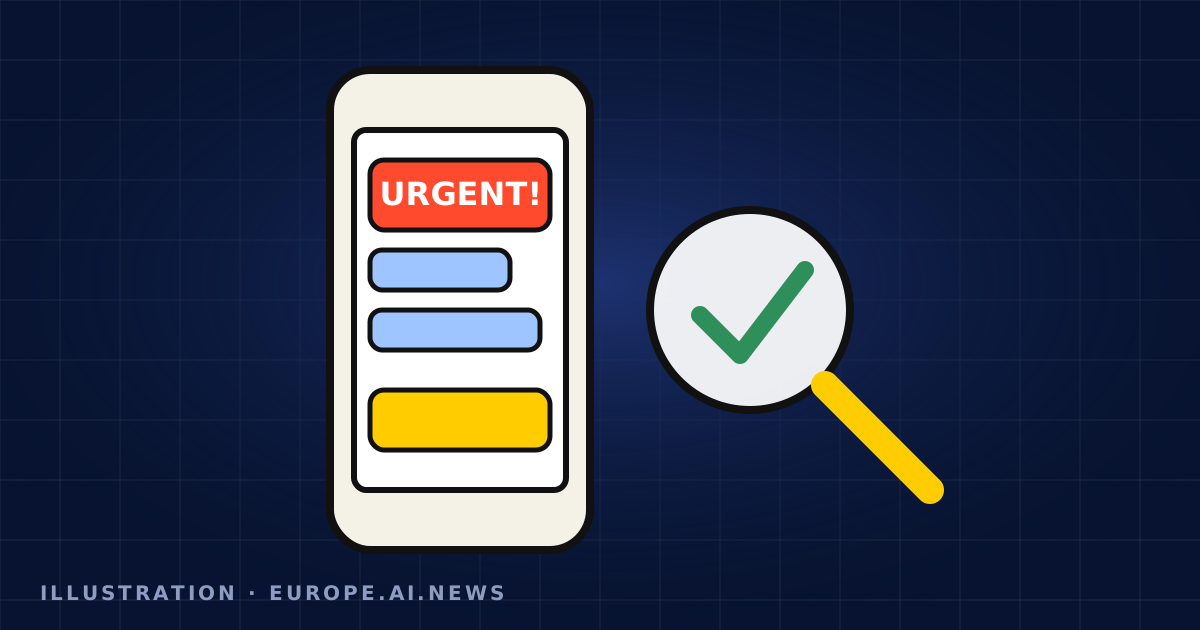
Scam messages used to give themselves away with clumsy spelling. AI tools can now write clean, convincing text in any language, so good grammar is no longer proof that a message is real. The UK's National Cyber Security Centre (NCSC) says to look at what the message is trying to do instead.
Watch for five warning signs. Authority: it claims to come from a bank, a doctor or a government office. Urgency: it sets a tight deadline or threatens a fine. Emotion: it tries to make you scared, hopeful or curious. Scarcity: it offers something in short supply. Current events: it uses big news or times such as tax season.
To check, follow four steps. First, stop and break contact if you feel unsure. Second, contact the organisation yourself, using details from its official website, never the number or link in the message. Third, look for contact details printed on a paper statement or your card. Fourth, remember that banks do not ask for personal details by email, so if in doubt, hang up and call them back.
If you have been caught out, the NCSC says reporting a scam is free and takes about a minute. Its pages are UK-specific, so in other European countries use your national police or consumer authority.
Sources: NCSC, Spot scams · NCSC, Phishing and scams
Written in our own words from the sources above. Illustration by Europe.AI.News. Spotted a mistake? Email [email protected] and we'll correct it.
More AI news
 UK cyber agency warns AI will make attacks on key services faster and bigger4 Nov 2026
 Anthropic and investor Hg back a new company to help European firms use AI4 Nov 2026
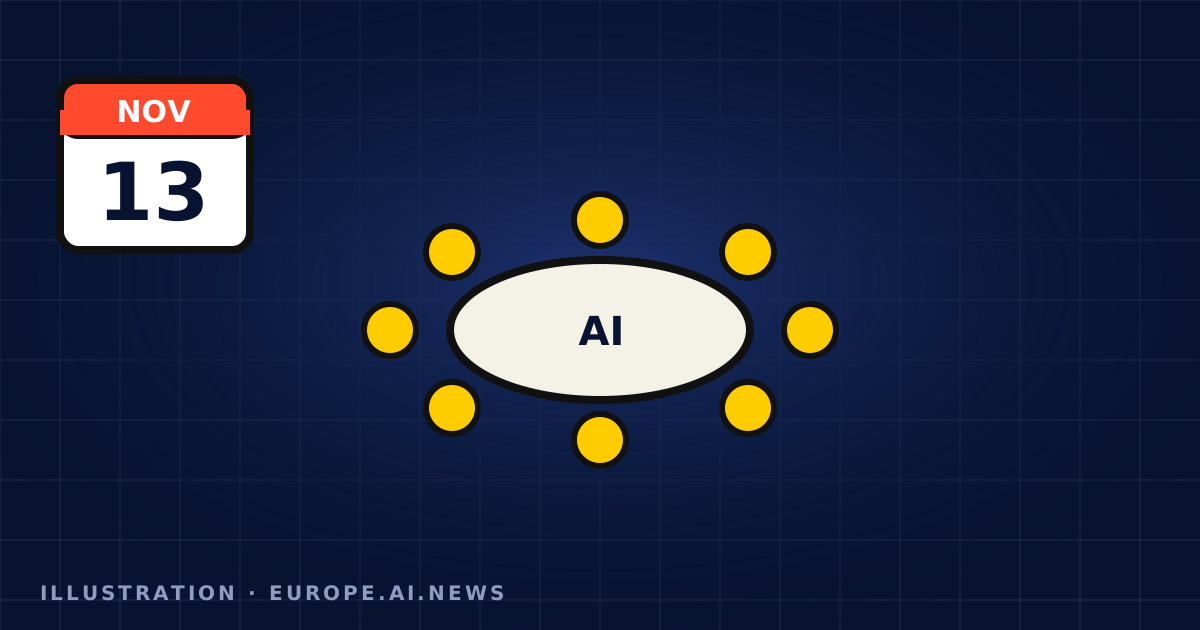 EU leaders will hold a dedicated AI meeting in Dublin on 13 November4 Nov 2026
 EU court adviser: AI chatbots may break press rights when they reuse news articles4 Nov 2026
Use AI with confidence
Everyday.AI is our no-jargon guide to using AI safely in daily life and work, made for Europe.
See Everyday.AI